Hardwood floors are one of the most beautiful and long-lasting upgrades you can make to your home. They add warmth, character, and real estate value — and when installed properly, they can last generations. But unlike tile or vinyl, wood is a natural material. It moves, reacts, and adapts to its environment.
For homeowners in climates like Chicago and surrounding communities like Orland Park, seasonal humidity swings make understanding wood behavior especially important. Many flooring issues people worry about — small gaps, cupping, or slight expansion — are not signs of failure. They’re signs of wood doing what wood has always done.
This guide explains how moisture interacts with hardwood flooring, what changes are normal, what isn’t, and how professional installation and smart expectations protect your investment.
Wood Is Alive — Even After Installation
A key concept many homeowners don’t realize is that wood remains responsive to its environment long after it becomes flooring. Wood is hygroscopic, meaning it absorbs and releases moisture depending on surrounding humidity.
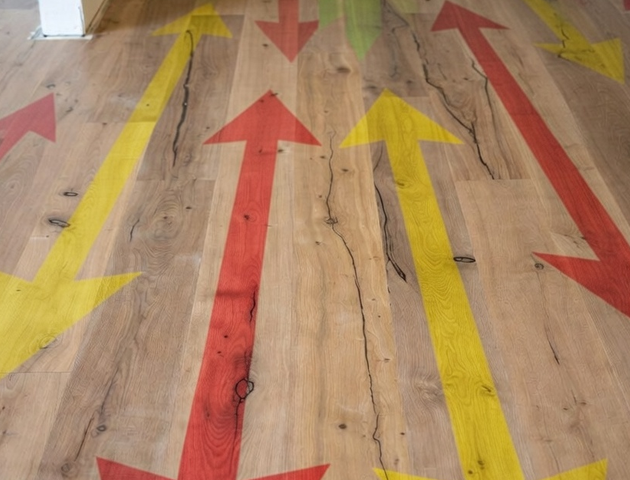
When indoor air becomes more humid, wood absorbs moisture and expands. When air dries out — such as during winter heating — wood releases moisture and contracts.
This movement happens at a microscopic level inside the wood’s cellular structure. It’s not a flaw. It’s a natural property of organic material. The goal of professional flooring installation is not to stop movement — that’s impossible — but to manage and anticipate it.
Think of hardwood flooring like a finely tuned instrument: stable conditions keep it performing beautifully.
Every home has what’s called an equilibrium moisture content (EMC) — the moisture level wood settles into when it matches the indoor climate.
If flooring is installed when its moisture level doesn’t match the home, movement will occur afterward. This is where many problems begin:
Flooring installed too dry → expansion and pressure
Flooring installed too moist → shrinkage and gaps
Professional installers measure both subfloor moisture and flooring moisture to ensure compatibility before installation begins. This step dramatically reduces the risk of movement-related issues.
For Midwest homes, EMC fluctuates seasonally. Winter air is dry. Summer air carries more moisture. A properly installed floor anticipates these cycles instead of fighting them.
Normal Seasonal Changes vs. Warning Signs
Homeowners often worry when they see visible changes in their hardwood floors. Understanding what’s normal prevents unnecessary concern.
Normal seasonal behavior
Small gaps between boards during winter are common. Heated air dries the indoor environment, causing boards to contract slightly. These gaps often close naturally when humidity returns in spring and summer.
Wide plank floors and lighter-colored woods may make gaps appear more noticeable — but this is typically cosmetic, not structural.
Signs of excessive moisture influence
Board edges rise slightly higher than the center. This usually signals elevated moisture beneath or around the flooring.
The center of boards becomes higher than edges, often due to surface moisture exposure or sanding done before moisture stabilized.
An extreme reaction where boards lift off the subfloor. This is rare and usually linked to flooding or major moisture intrusion.
The key takeaway: mild seasonal movement is expected. Severe deformation points to environmental imbalance — not flooring failure.
Where Moisture Comes From Inside a Home
Moisture doesn’t just come from spills. Many hidden sources influence indoor humidity:
Concrete slabs releasing vapor
Crawl spaces without proper barriers
Seasonal humidity swings
Plumbing leaks
Newly constructed homes with trapped moisture
Poor ventilation
Even framing lumber and subfloors can carry moisture from construction. If hardwood is installed before the environment stabilizes, it will react later.
That’s why experienced installers verify job-site conditions — temperature, humidity, and subfloor moisture — before installation starts.
The Importance of Acclimation
Acclimation is the process of allowing hardwood flooring to adjust to a home’s indoor climate before installation.
During acclimation:
Flooring is stored inside living conditions
Airflow allows moisture equalization
Measurements confirm compatibility
Skipping acclimation is one of the fastest ways to create long-term flooring problems. Wood that hasn’t stabilized will shift after installation — sometimes dramatically.
Engineered wood floors require less acclimation than solid hardwood, but environmental verification is still critical.
Professional installers don’t rush this step. They understand that patience prevents callbacks, repairs, and homeowner frustration.
Subfloor Moisture: The Hidden Factor
Homeowners naturally focus on the visible surface, but what’s beneath matters just as much.
Wood subfloors and concrete slabs must fall within acceptable moisture ranges before flooring is installed. Even if the surface appears dry, vapor movement from below can affect hardwood over time.
Moisture testing tools allow professionals to:
Compare flooring and subfloor moisture levels
Detect hidden issues
Ensure long-term stability
When conditions aren’t right, installation pauses — protecting both the floor and the homeowner’s investment.
Moisture Barriers: Insurance for Your Floor
Even when moisture levels test within range, vapor movement can still occur over time. That’s why moisture retarders or barriers are used between layers.
These materials help regulate vapor transfer and create a buffer against environmental shifts. They are especially important in Midwest homes where seasonal humidity varies significantly.
Think of moisture protection as preventive care — invisible but essential.
A Real-World Lesson: Why Rushing Installation Causes Problems
Across the industry, many flooring failures share a common theme: installation under pressure.
When flooring is installed before a home reaches stable living conditions, the wood absorbs or releases moisture after installation. This leads to cupping, gaps, or buckling.
Professional installers insist on proper conditions — even when timelines are tight — because shortcuts often cost more later.
Homeowners benefit when contractors prioritize environmental readiness over speed.
What Chicago-Area Homeowners Should Expect
In climates like northeastern Illinois:
Winter heating dries indoor air
Summer humidity rises
Transitional seasons shift moisture levels
Your hardwood floor will respond gently to these changes. Small visual differences across seasons are signs of a living material adapting — not defects.
Maintaining stable indoor humidity between roughly 35%–55% reduces stress on flooring and improves comfort throughout the home.
Whole-home humidifiers, dehumidifiers, and consistent HVAC operation help maintain balance.
Why Professional Installation Matters
Hardwood flooring is not just a finish material — it’s a precision system interacting with the building environment.
Professional installers:
Measure moisture accurately
Evaluate job-site readiness
Allow proper acclimation
Use moisture barriers
Follow fastening guidelines
Educate homeowners
These steps prevent costly surprises and ensure flooring performs as intended.
Protecting Your Investment
Hardwood floors are meant to last decades. Understanding moisture behavior helps homeowners:
Recognize normal seasonal movement
Avoid panic over cosmetic changes
Identify real moisture issues early
Maintain proper indoor conditions
Education removes uncertainty and allows you to enjoy your flooring with confidence.
Ready for Expert Guidance?
Whether you’re planning a new installation or want to understand how to protect your existing floors, working with experienced professionals makes all the difference.
The team at Top Hardwood Flooring helps homeowners throughout Chicago, Orland Park, and nearby communities install hardwood flooring designed to thrive in Midwest conditions.
If you want flooring that looks beautiful today and performs for years to come, reach out for expert consultation and installation guidance.